Established in 1946 by entrepreneur Richard Wilson, the business started out providing refurbished motors in post-war Leeds, originally trading as RWD. Now in the hands of the third generation and led by Erika Wilson, we have grown from a small family business into one of the industry’s most trusted manufacturers of power and distribution transformers. Today, Wilson Power Solutions employs more than 160 staff in the UK and around 500 in India and has delivered the transformers behind vital electrical infrastructure across the grid, renewable energy and battery storage. For 80 years, Wilson Power Solutions has been helping power Britain's electrical infrastructure.
To mark the milestone, we are spending 2026 looking back at where we came from, celebrating with the people who helped us get here, and sharing some of the stories that have shaped the business along the way.
1. Our celebrations
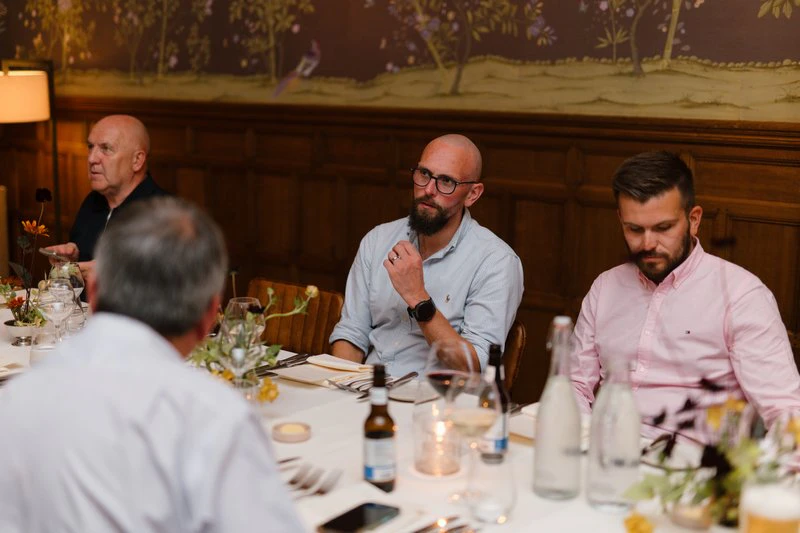
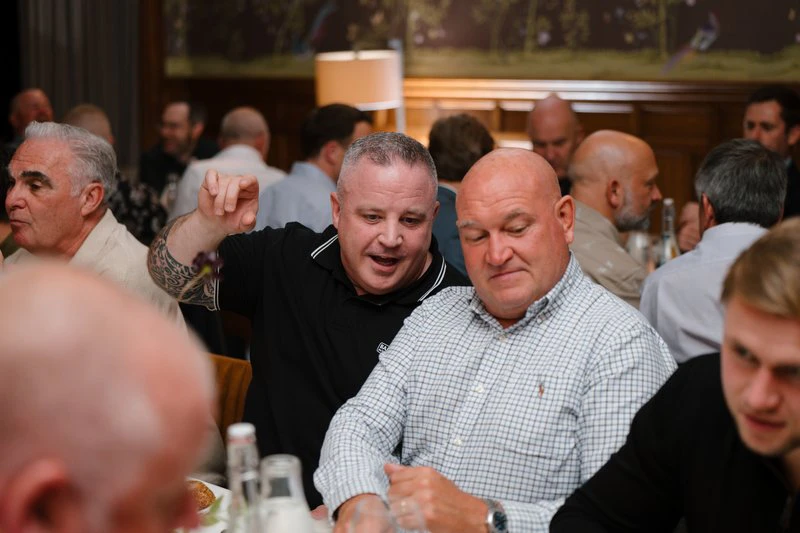
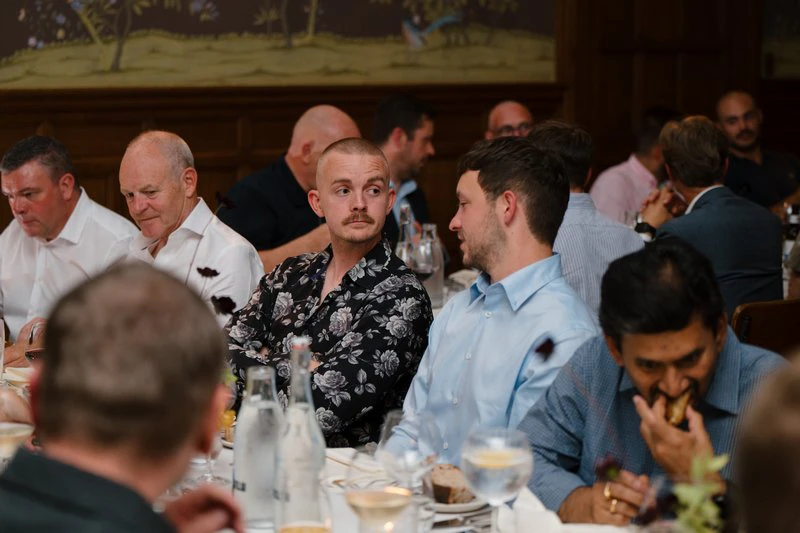
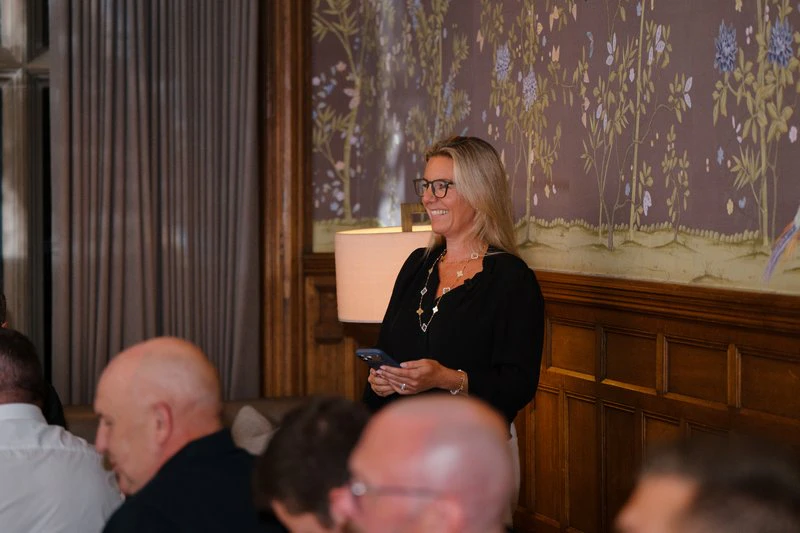
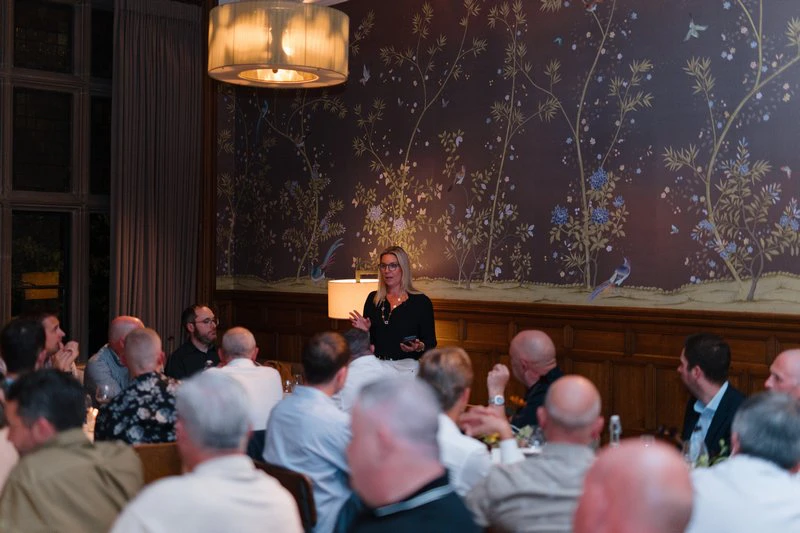
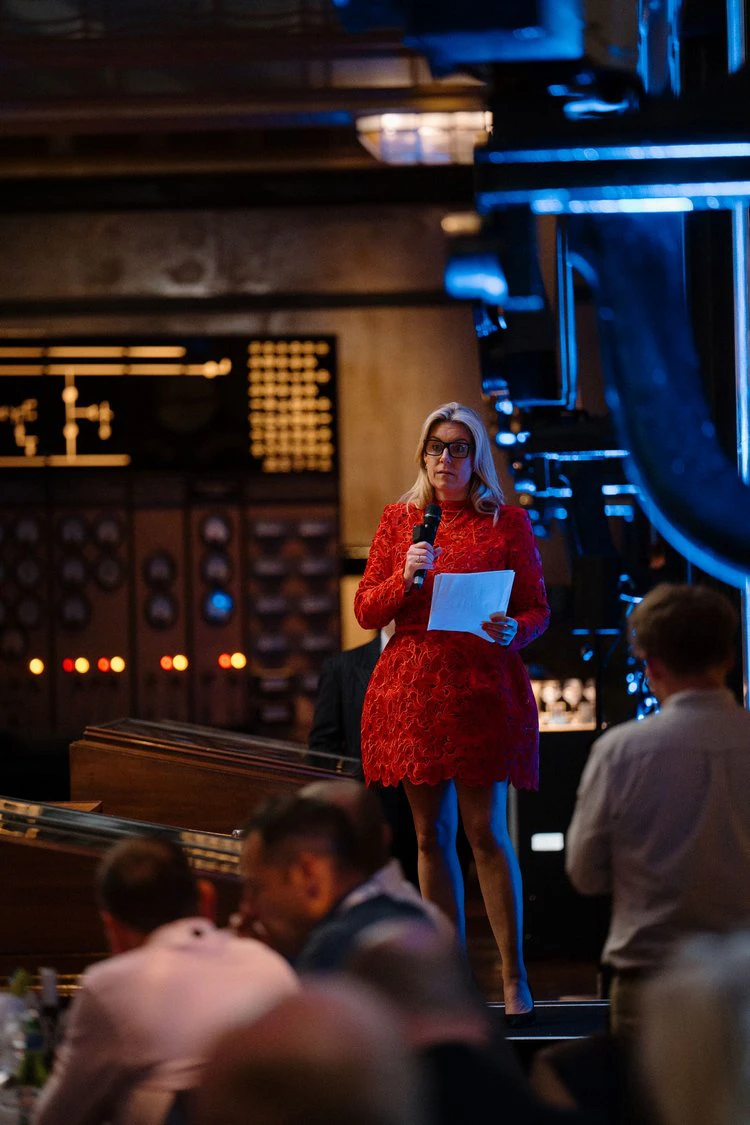
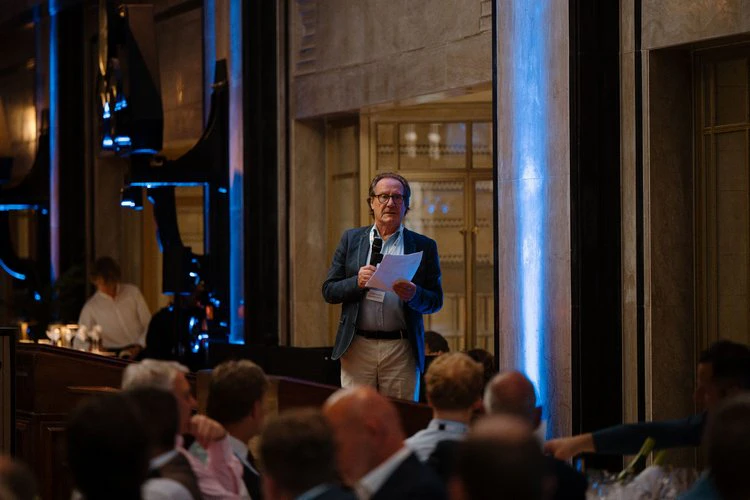
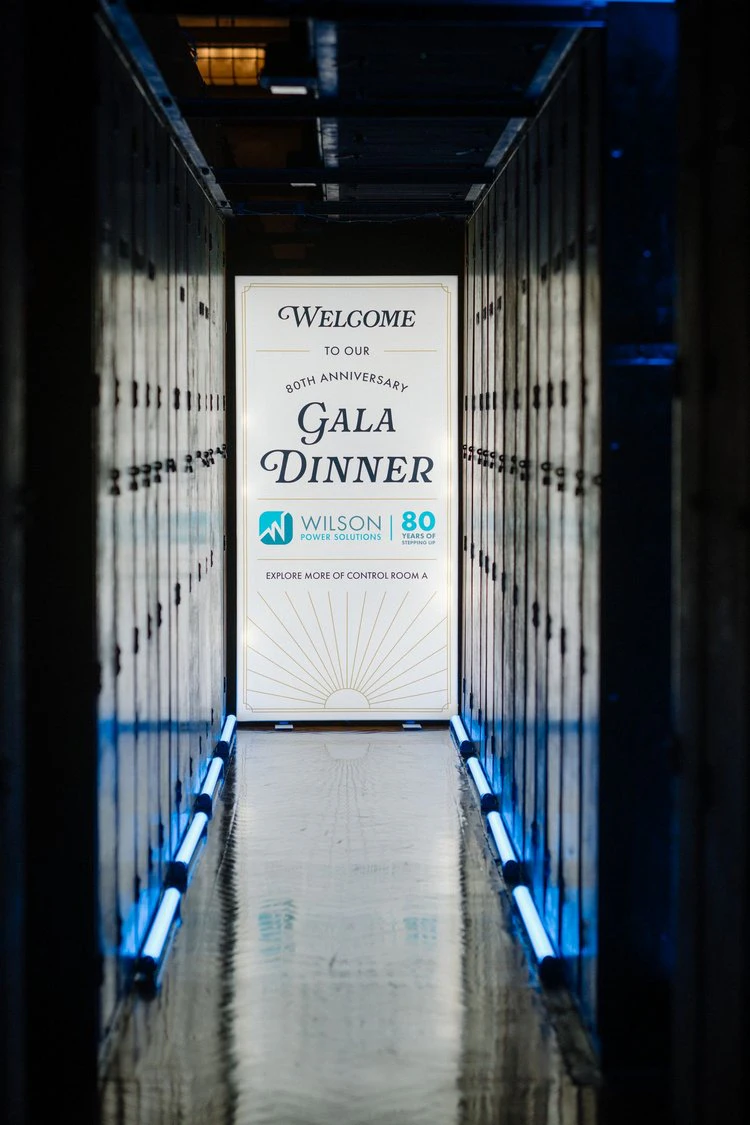
Gala Dinner at Battersea Power Station
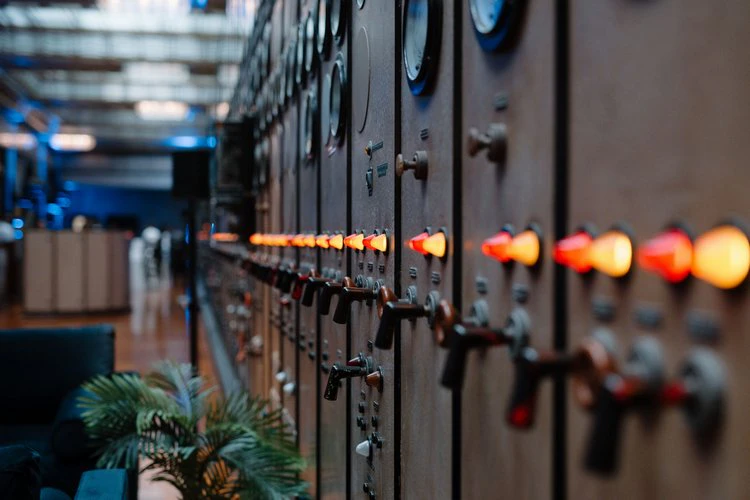
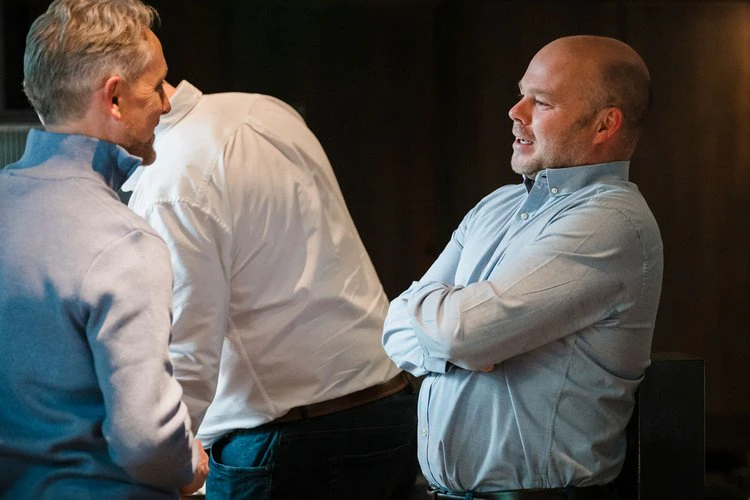
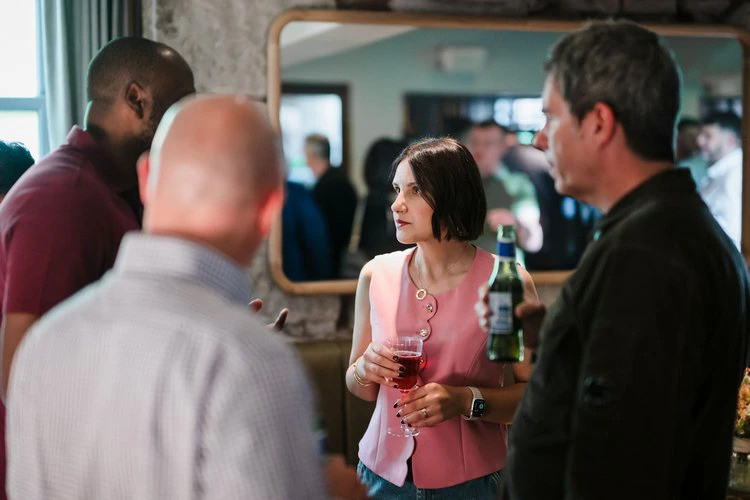
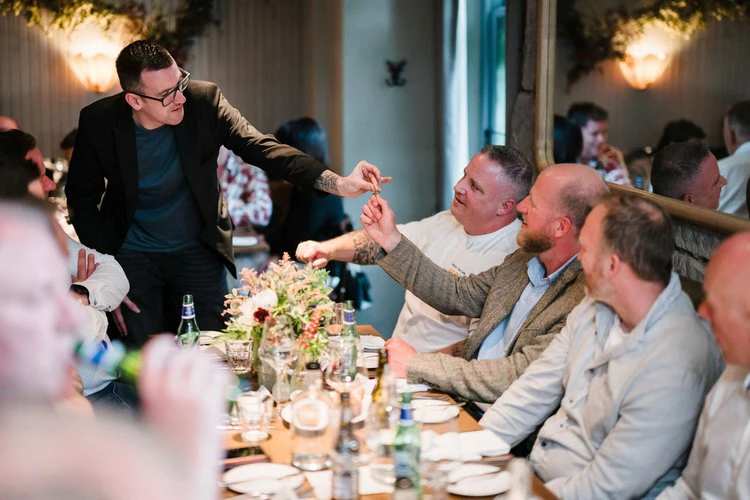
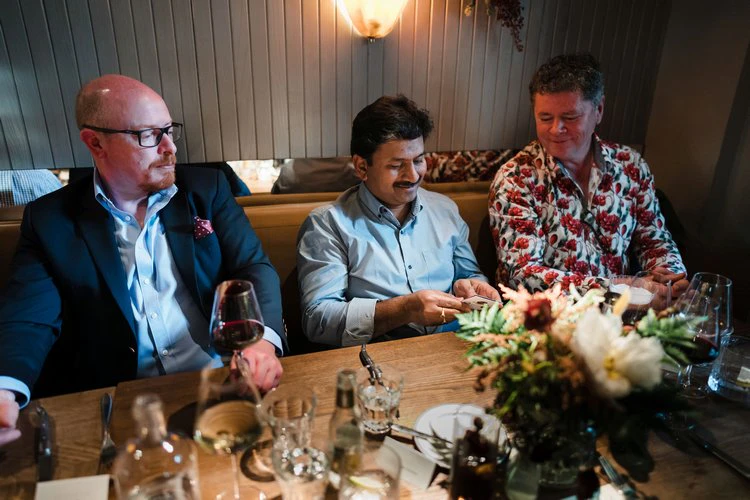
One of the highlights of the year was bringing customers, partners and colleagues together at Control Room A at Battersea Power Station. Few venues are more closely linked to Britain's power story. It felt like the perfect place to celebrate our own.
Control Room A at Battersea Power Station is one of the building's most iconic and beautifully preserved spaces, showcasing the bold Art Deco design of the 1930s. Designed by renowned architect Sir Giles Gilbert Scott, who also designed the iconic red telephone box and the building that now houses Tate Modern, the control room formed the operational heart of one of the world's largest brick buildings. At its peak, Battersea Power Station generated around one-fifth of London's electricity, supplying landmarks including Buckingham Palace and the Houses of Parliament, while the vast Boiler House was so immense that it could accommodate St Paul's Cathedral within its walls.
The control room housed the panels and instrumentation that managed the generation and distribution of electricity across the capital, with one of the earliest installations of double-glazed windows providing engineers with a quieter working environment. The station also became known for some remarkable moments in its history, from the famous 1964 power failure that interrupted the launch of BBC Two, delaying its debut, to the warmth of the building attracting around 200 stray cats that made the site their home.
Today, Control Room A has been meticulously restored, preserving its original control desks, marble finishes and decorative detailing. It stands as a remarkable blend of engineering excellence, architectural craftsmanship and industrial heritage, offering visitors a unique glimpse into the history of one of Britain's most significant power stations.
We also played our part in preserving Battersea with eleven Wilson's transformers on-site, including:
Two 2.5MVA 11000/415V Wilson e1 Ecotrans® Distribution Transformers for the CHP station
Two 3MVA 11000/415V Wilson e1 Ecotrans® Distribution Transformers for the CHP station
Four 1MVA, 11000/433V Wilson T2 Ecotrans® Distribution Transformers for Phase 3
2MVA 11000/433V Wilson d2 (iDNO) Unit Type® Distribution Transformer for the bus garage
delivered through and installed by some of our honourable gala guests.
The evening allowed us to reflect on eight decades of manufacturing, thank the people who have supported the business and look ahead to what comes next.
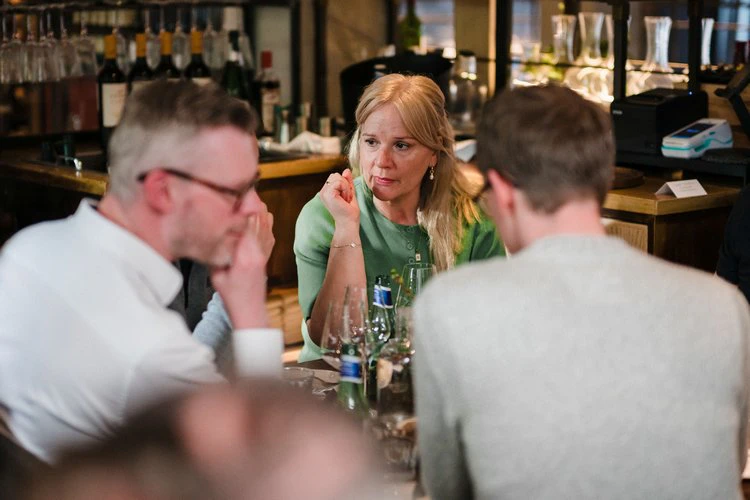
Before the main celebrations, we kicked things off in Glasgow during All-Energy. Surrounded by customers, partners and colleagues from across the sector, we hosted a special anniversary dinner and raised a glass to 80 years of Wilson Power Solutions. It was an early opportunity to celebrate with the people who help power the grid alongside us every day.
Not every anniversary moment needed a history lesson. Sometimes it just needed cake. A specially created 80th anniversary cake quickly became the star of its own video, complete with careful handling, serious planning and absolutely no unnecessary forklift use. Probably.
Not just a grey box
We released a film showing what a transformer really represents, how it sits behind everyday life, keeping cities moving, hospitals running, data centres connected and critical infrastructure powered. Because to us, it has never been just a grey box. It is the power behind everyday life.
3. 2026 Awards
Wilson Power Solutions is listed in The Sunday Times 100
This is another reason to celebrate our significant and continous growth. Wilson Power Solutions was named in The Sunday Times 100 for the second time, securing position 76 in the 2026 rankings. It was a proud moment for the team and a reminder that while we are celebrating our history, the business continues to grow and evolve today.
We are named as Fastest Growing Large Businessin Yorkshire
Wilson Power Holdings Limited, our group company, topped the large-business category and ranked second overall for growth in the region with 69.13% growth rate over three years (2021-2024), cementing the company’s position as the region’s standout industrial success stories.
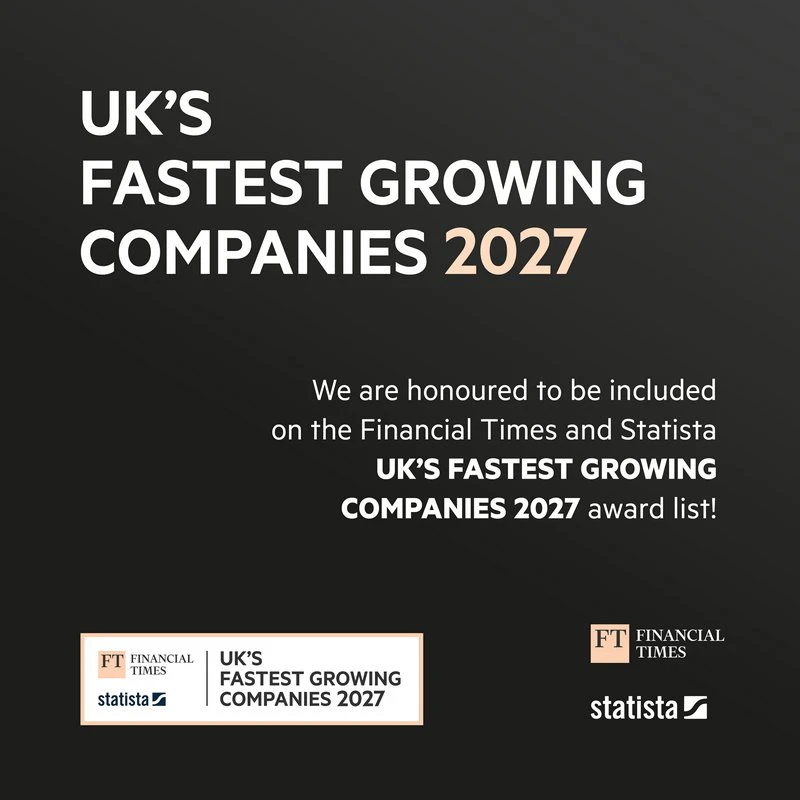
We are listed on FT1000 Europe's Fastest-Growing Companies
Among the anniversary celebrations came another milestone. Wilson Power Solutions was named on The Financial Times 1000 Europe's Fastest-Growing Companies in the 2026 rankings at the 253rd place. The occasion reflected not only how far we have come but also the exciting progress we are continuing to make as a business.
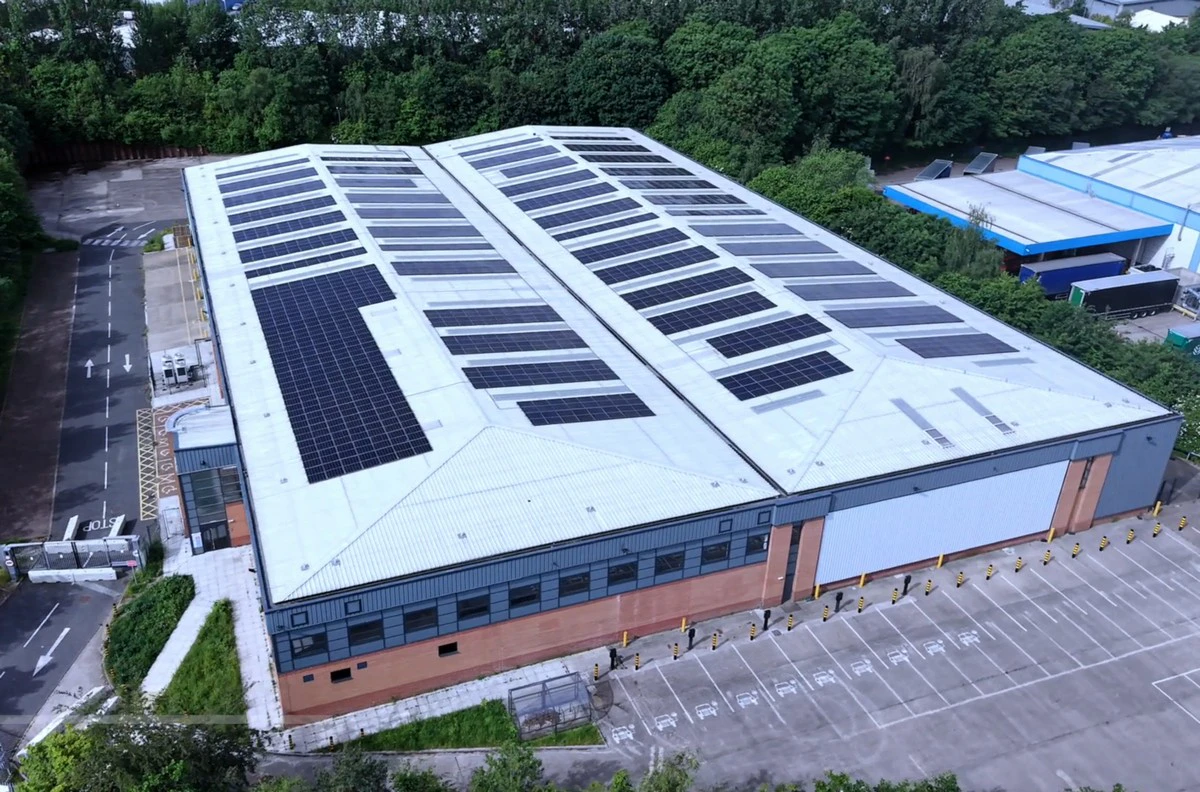
Located less than a quarter of a mile from our historic home at Wilson Works, Wilson House adds over 6,200 square metres of manufacturing, office and support space. The facility is home to ten dedicated transformer production bays manufacturing Wilson T2, Wilson d2 and Wilson e4 transformer ranges up to 3MVA.
Purpose-designed to optimise manufacturing flow, transformers progress efficiently through each stage of production, supported by a fully integrated 50,000-litre piped oil storage system, two test bays with full FAT capabilities, six ground-level loading doors, three dock-level loading doors and full roof solar PV.
Being one of Yorkshire’s most energy-efficient industrial facilities, Wilson House represents an investment of over £10 million in the future of Wilson Power Solutions.
10
dedicated transformer bays
160
+
full time staff
6200
sqm
production area
New India Factory
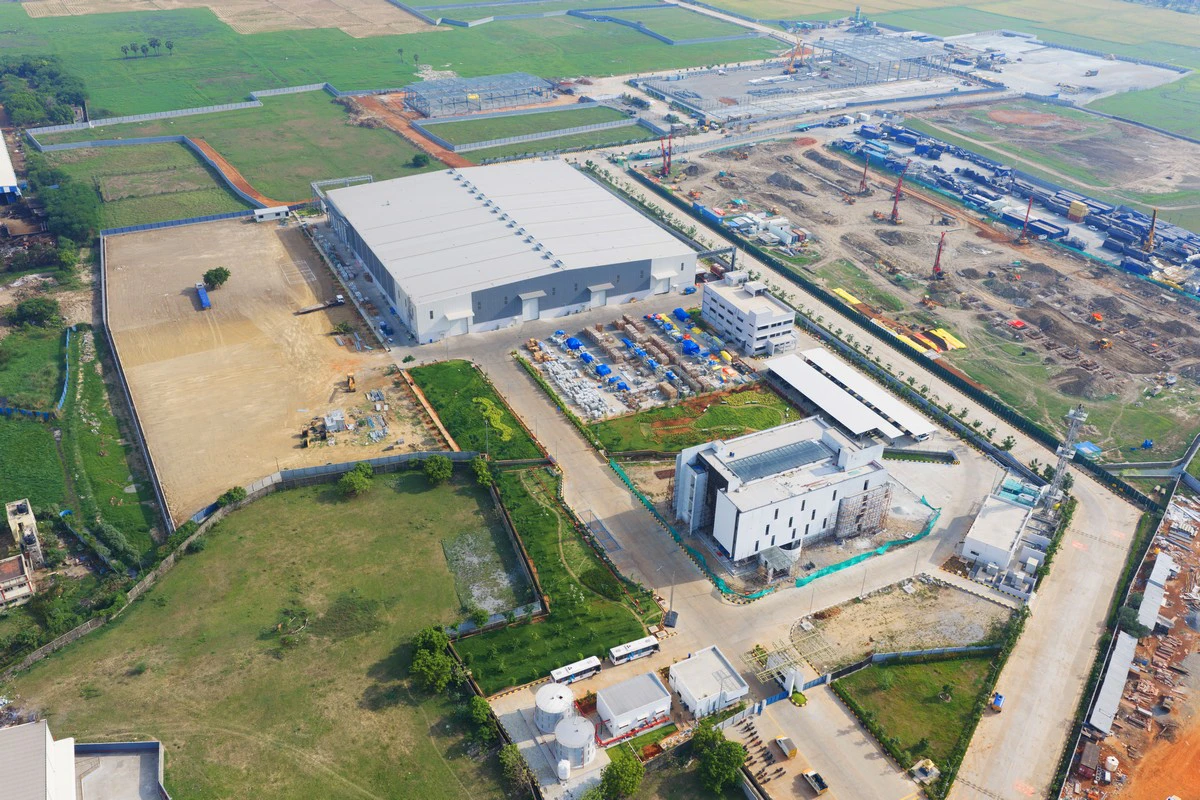
Recently opened, our state-of-the-art Wilson Power Solutions India manufacturing facility significantly enhances our production capabilities, supporting distribution and power transformers up to 70MVA and 132kV.
The facility incorporates advanced production lines, modern offices, and purpose-built spaces, all tailored to optimise operations and meet evolving market demands. Designed from the ground up with cutting-edge technology and sustainability at its core, this factory represents our commitment to product innovation and environmental responsibility.
The facility incorporates advanced production lines, modern offices, and purpose-built spaces, all tailored to optimise operations and meet evolving market demands. Thoughtfully designed with a central courtyard and strategically placed windows, the site improves natural airflow, reducing the need for air conditioning and minimising its environmental footprint. The manufacturing space features new winding machines for foil, layer, and disc winding and a dedicated winding bay with an ISO 8 class clean room for controlled temperature, humidity, and dust.
500
+
full time staff
70
MVA
maximum transformer capacity
132
kV
transformer supported
5. Wilson over the decades
Wilson Power Solutions in the 1940s
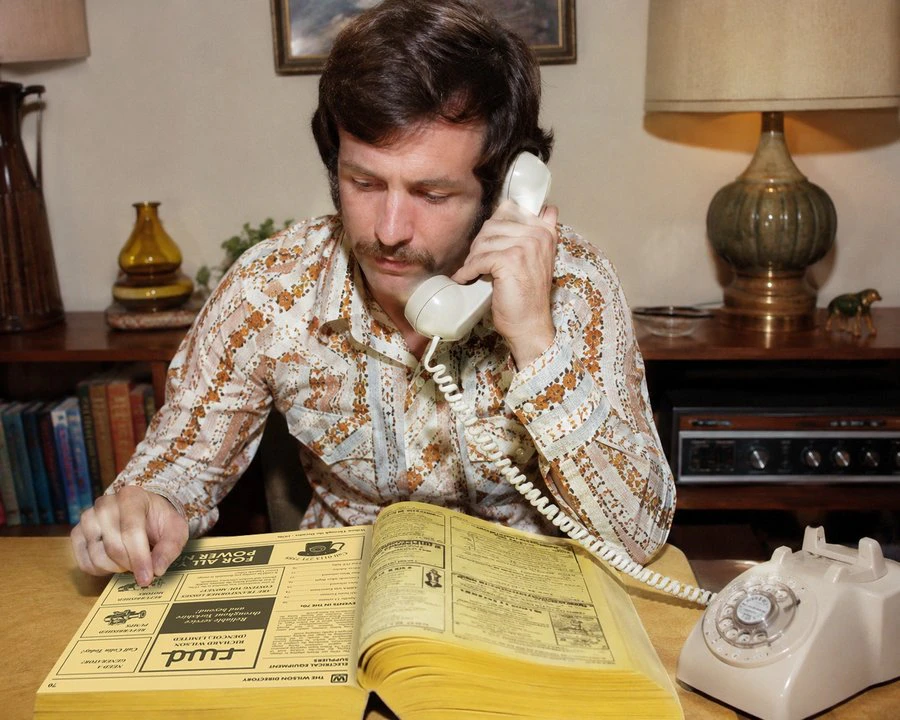
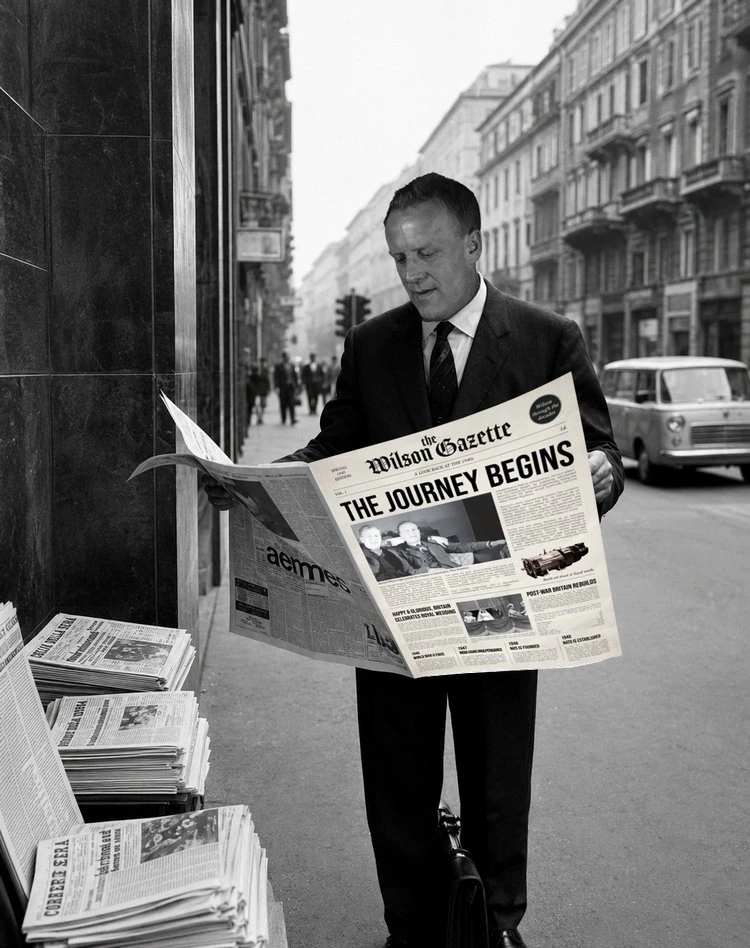
Every anniversary starts with a story. Ours began in 1946, when Richard Wilson founded the business in post-war Leeds, refurbishing pumps and motors under the name RWD. This post launched our Decades series and took us right back to the beginning, setting the stage for the journey through 80 years of company history.
The Second World War had just ended. India was a year away from independence. The NHS was being designed. NATO was three years away from being established. The world was being put back together.
And what Richard Wilson began in 1946 during difficult times became a story of persistence, long-term ambition and was rooted in that same spirit of rebuilding something lasting.
1946: Richard Wilson founds the company
1940s: The company initially sells electrical motors for gearboxes
The next stop in our journey through the decades was the 1960s. As Britain's electricity infrastructure expanded, so did demand for reliable transformers. We explored how the business grew during this period. Britain was changing fast that decade. England won the World Cup. Concorde took its first flight, and the world witnessed its first moon landing and the rise of the National Grid.
For decades, Wilson Power Solutions traded under the name RWD. Most customers never asked what the letters stood for. RW was for Richard Wilson, our founder, and D for DenCol, short for Dennis and Colin, his two sons, who joined the company in 1967.
Another chapter was added to the story.
Early 1960s: Buying and selling pumps from airfields in the area
1967: Richard’s sons, Dennis and Colin, join the business
Late 1960s: Working with large oil companies like Shell, selling pumps as oil was a primary energy source
1968: Started working with Texaco, which needed equipment overhauling; started supplying pumps to the British Pipeline Agency, Britain’s main oil pipeline
With Britain's own particular energy challenges that decade, we found ways to keep moving by introducing generators to support customers whose energy supply had become uncertain and opening the door to an entirely new area of the business. As the decade progressed, our stock also evolved, expanding to include larger and more specialised motors to match Britain's heavy industrial base and infrastructure.
While the industry operated under strict energy limits, RWD (our company trading name at the time)found ways to keep moving by introducing generators to support customers whose energy supply had become uncertain and opening the door to an entirely new area of the business. As the decade progressed, our stock evolved, expanding to include larger and more specialised motors to match Britain's heavy industrial base and infrastructure.
1973: First started selling generators to subsidise energy supply when Britain was in the midst of a 3-day work week
1970s: Wilson stock evolves with larger and larger motors as major industry closes (oil refineries, steel & coal)
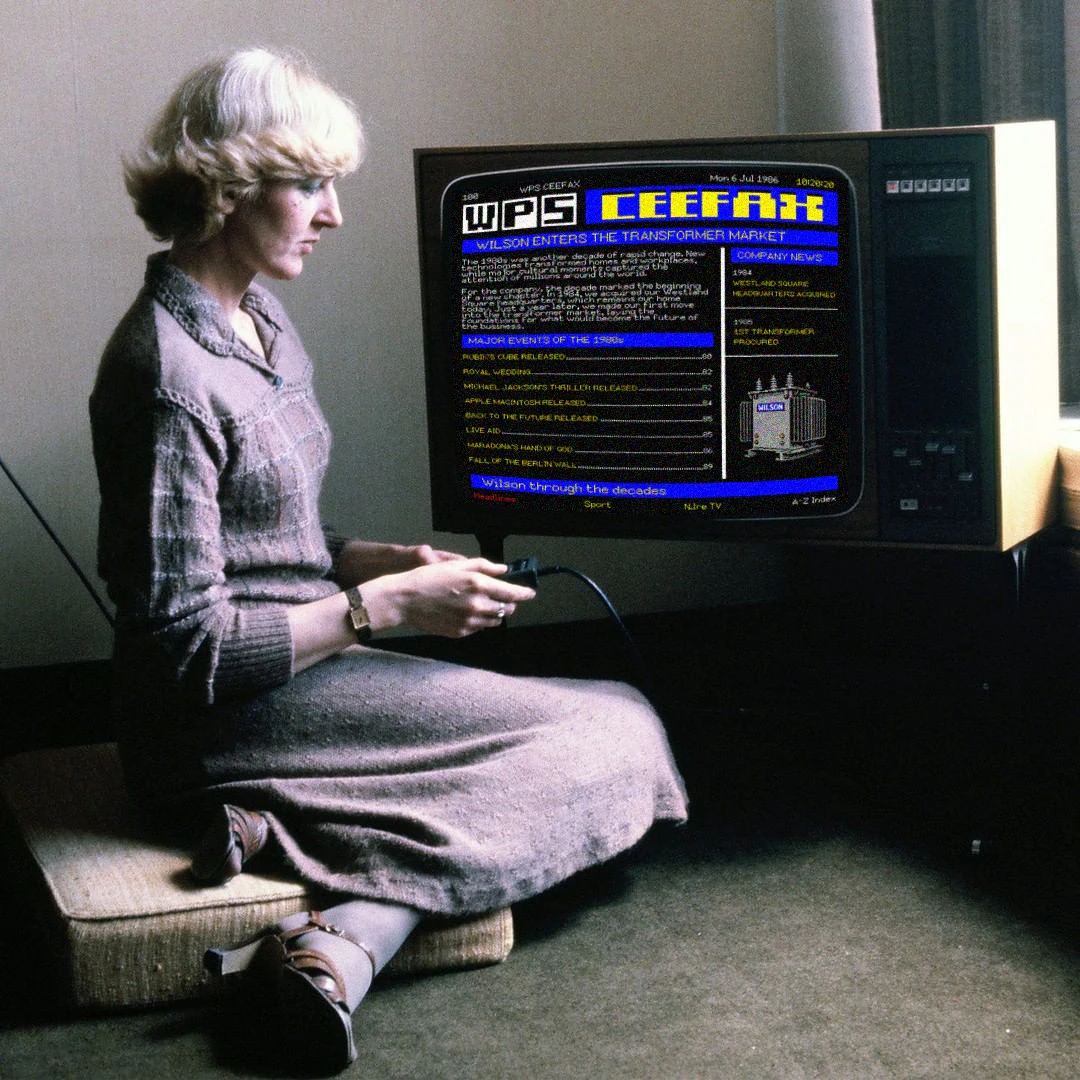
The decade when we took our first steps into transformers and began shaping our destiny. Two years after Michael Jackson’s famous music video, we were thrilled in our own way. In 1984, we bought Westland Square, an ex-RAF aircraft hangar, the site we still call home today. In 1985, we bought and sold our first transformers, twelve of them, following a tender in Scotland near the oil rigs. We paid more than they were worth, on purpose, to get a foothold in a market we believed in. And as the company expanded its transformer business exponentially, this venture has been compensated multiple times.
1984: Acquired Westland Square for £142,000, previously an RAF aircraft hangar, our current HQ
We would love to support you on your next project; you can learn more about our specific products or contact us for bespoke builds and further information.
This website uses cookies. Please refer to our
Cookie Policy
to see how they are used. By clicking accept you consent to the use
of cookies on this website.